
Recreational Vehicle Insurance: Liability Insights for Summer Travel
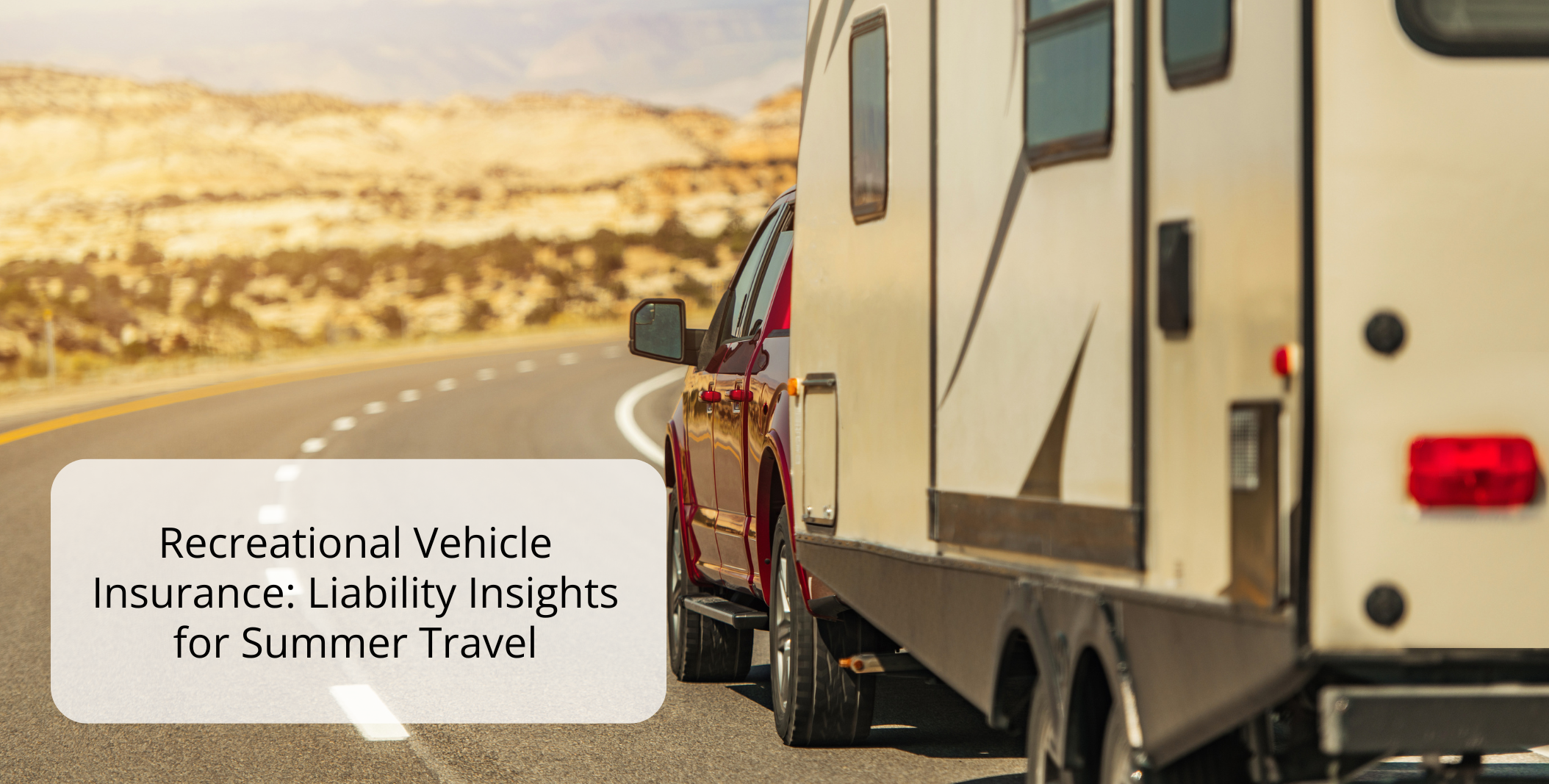
The arrival of summer often prompts many people to prepare their recreational vehicles (RVs) for seasonal travel. Whether heading to a local campground or embarking on a cross-country journey, operating a rig involves a specific set of responsibilities that blend the characteristics of driving a car with managing a living space.
Because RVs are significantly larger and heavier than standard passenger vehicles, understanding how liability insurance functions is an important aspect of planning a safe summer itinerary.
Liability insurance is designed to provide a financial framework to assist if you are found legally responsible for causing bodily injury or property damage to others. For recreational vehicles, this protection is often divided into distinct categories based on whether the vehicle is in motion or parked.
How liability protection is structured depends heavily on whether the recreational vehicle moves under its own power or is pulled behind a primary vehicle.
| Rig Type | Primary Liability Source | Key Consideration |
| Drivable (Class A, B, C Motorhomes) | Dedicated RV Policy | Requires an independent policy with state-mandated over-the-road liability limits. |
| Towable (Travel Trailers, 5th Wheels) | Tow Vehicle’s Auto Policy | Liability typically extends from the truck or SUV pulling it while on the road. |
While a towable trailer’s over-the-road liability often extends from the vehicle pulling it, physical damage to the trailer itself—such as theft, fire, or weather damage—is typically handled through a separate, dedicated policy.
For individuals who choose to live in their rig for a significant portion of the year—often defined by insurance carriers as six consecutive months or more—a standard recreational policy may feature specific exclusions.
Many frequent travelers choose to look into a Full-Timer Package. This type of policy is structured similarly to a homeowners policy, providing broader personal liability options that apply year-round, whether the vehicle is stationary in an RV community or on the move.
Because a collision involving a large motorhome or trailer can lead to significant damage, many owners review their liability thresholds to confirm they align with their personal assets. Relying strictly on state-mandated minimum limits may leave an individual exposed to out-of-pocket expenses if a severe accident occurs.
Adjusting coverages based on usage patterns is a strategy many owners utilize. For instance, some providers allow policyholders to temporarily suspend certain over-the-road coverages during winter storage months, reinstating them before the summer travel season begins.
An independent insurance agent can assist by providing information on various policy types and explaining how different limits might apply to your specific rig. They can help review options from multiple carriers, allowing you to make an informed decision that fits your upcoming travel plans and risk tolerance.
Disclaimer: The information provided in this article is for educational purposes only. This is not an insurance policy or a legal contract. Coverage options, limits, and exclusions vary significantly by state, insurance provider, and individual policy terms. All claims are subject to the specific terms, conditions, and exclusions of the policy in force at the time of the loss. It is important to consult with a qualified insurance professional for advice tailored to your specific situation.